The Temperature of Care: Adapting Beauty Treatments for Menopausal Clients
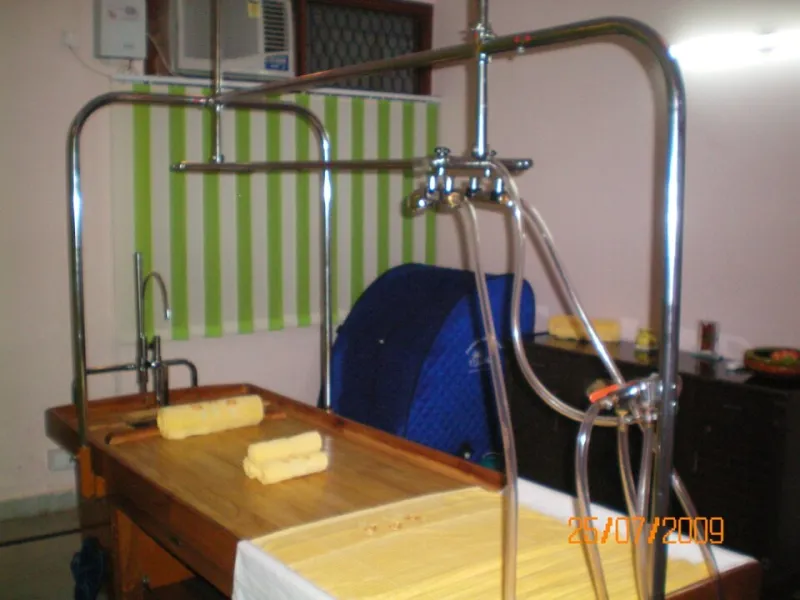
Photo: Karntheking, Public domain, via Wikimedia Commons
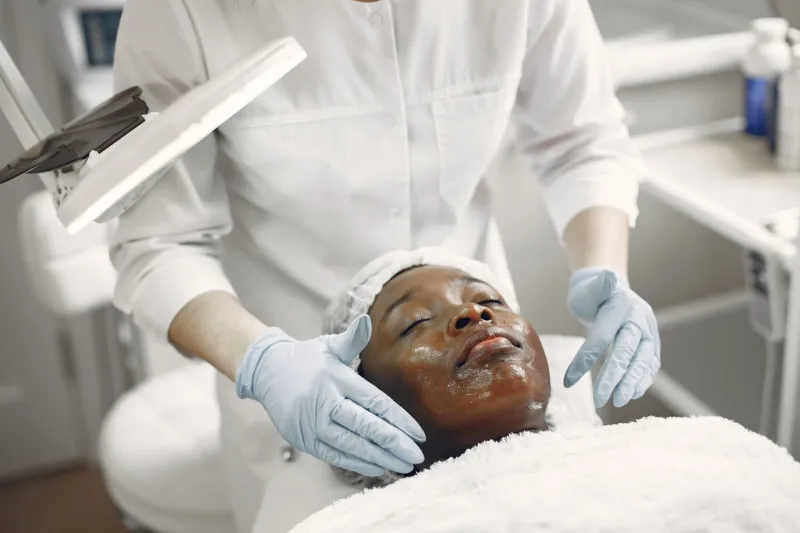
A client in her early fifties settles onto your couch for a facial. Ten minutes in, her face is flushed, she's fanning herself with the consultation card, and you're both pretending it's fine. It isn't — not because anything has gone wrong, but because the room, the products and the pace were designed for a body that isn't hers right now.
Perimenopause and menopause are not edge cases. The average age of menopause in the UK is around 51, and perimenopause can start years before that. If you treat women over 40, you're treating menopausal clients. The question is whether your treatment room is set up to make them comfortable — or just to get through the appointment.
Why this is a business issue, not a niche
The midlife client is one of the most loyal groups you'll ever serve. She has disposable income, she's often been having treatments for decades, and she notices when someone has thought about her experience. She also talks to her friends. Get this right and you're not just filling one appointment; you're building a reputation as the therapist who doesn't make her feel like a problem.
There's a training angle, too. Menopause-aware CPD is increasingly available in the UK, and insurers like to see evidence that you're working within your scope. You don't need a medical qualification. You need to understand what your client might be experiencing and where your role stops.
Consultation language that opens the door
Most clients won't announce that they're menopausal. They'll mention being 'a bit warm' or having 'sensitive skin at the moment'. Your job is to make it easy to say more.
Instead of asking 'any medical conditions?', try open questions: 'Is there anything about temperature or comfort I should know about today?' and 'Have you noticed your skin reacting differently lately?' Add a line to your consultation form: 'Do you experience hot flushes, temperature changes or skin sensitivity that you'd like me to accommodate?' It normalises the conversation without demanding a diagnosis.
If a client tells you she's going through menopause, don't give medical advice. Acknowledge, adapt, and signpost if she asks about symptoms. 'That's really common — let's adjust the room and products. If you want medical guidance, your GP or a menopause specialist is the right person.' That's the whole script.
The thermostat is a treatment tool
Room temperature is the single biggest lever you have. A room that feels cosy to you can feel suffocating to a client mid-flush. Aim for a cooler baseline — many therapists work at around 20–21°C — and have a blanket available for the parts of the body not being treated. Layer your couch: a cool cotton sheet, a light blanket, and a separate towel you can remove without disturbing the client.
Keep a small fan in the room, but don't point it directly at the client unless she asks. Offer a cool, damp flannel for the back of the neck. If you use hot towels, check first — a client who is overheating will not thank you for steam. The same goes for hot wax, heated beds and long, enclosed treatments.
Product choices that respect a changing body
Menopausal skin often becomes drier, thinner and more reactive. That doesn't mean every client needs a bland routine, but it does mean strong fragrance, high percentages of acids, and anything that tingles 'because it's working' can land badly.
Lean towards fragrance-free or low-fragrance products, gentle cleansers, and cooling gel masks. Avoid essential oil blends unless you've patch-tested and the client has confirmed she's happy. If a product has a known warming or tingling effect, say so before you apply it. And always patch-test — not just for allergies, but for sensitivity.
If you offer advanced treatments, think about heat. LED is generally fine; radiofrequency, hot stones and steam-heavy facials may not be. Have a cooler alternative ready so you're not turning away a loyal client.
Timing, positioning and the small stuff
Hot flushes don't run to a schedule. A client may need to sit up, sip water, or take a moment. Build a little slack into your appointments so you're not rushing her back onto the couch. Keep a glass of iced water within reach, and don't comment on how much she's drinking or how flushed she looks.
Positioning matters too. A client who is overheating may prefer to keep her arms out of the blanket, or to sit slightly elevated. Ask before you tuck her in. It sounds small; it isn't.
Aftercare that acknowledges the body
Standard aftercare advice — avoid heat, drink water, don't exfoliate — is even more relevant here. Add a line about cooling: a lukewarm shower rather than a hot one, a light moisturiser rather than a rich night cream if she's feeling clammy, and permission to skip the post-treatment coffee if she'd rather just go home.
Ask her to note any reaction and tell you next time. That's not just good care; it's good record-keeping.
The training question
You don't need to become a menopause specialist. You do need to know the basics, and you need to be able to show that you've learned them. Look for CPD courses that cover menopause awareness in a beauty context — not generic HR training, but something that talks about skin, temperature, contraindications and consultation.
Check that your insurer is happy with the scope of what you're offering. If you're unsure, ask them before you advertise. And keep a record of your CPD; it's useful for your own confidence as much as for anyone else's inspection.
What you're really selling
A client going through menopause doesn't want a specialist. She wants a therapist who isn't fazed. She wants a room that doesn't make her feel like she's causing a fuss, products that don't sting, and someone who knows when to open a window and when to say nothing.
That's not a niche. That's just good treatment. And in a crowded market, it's the kind of care that keeps clients coming back long after the flush has passed.