The Ten-Minute Handover: Aftercare That Brings Clients Back
Aftercare is often treated as the bit after the service — a leaflet pressed into a hand as the client reaches for their coat. But the ten minutes after a treatment ends are some of the most valuable in the appointment. Get them right and you are not just sending someone home; you are setting up the next booking, reducing avoidable questions and giving yourself a clear record if anything goes wrong.
The handover starts before the coat goes on
Do not wait until the client is halfway out the door. As you finish the treatment, signal that the appointment is not quite over: I am just going to talk you through the next couple of days, then we will get you booked in. That small pause changes the tone. Aftercare becomes part of the service, not an optional extra.
Sit at eye level if you can. Keep your voice calm and ordinary. Ten minutes is a guide, not a target. Two to three minutes of clear, specific advice is better than a rushed leaflet and a vague reminder to read it later.
A script that does not sound scripted
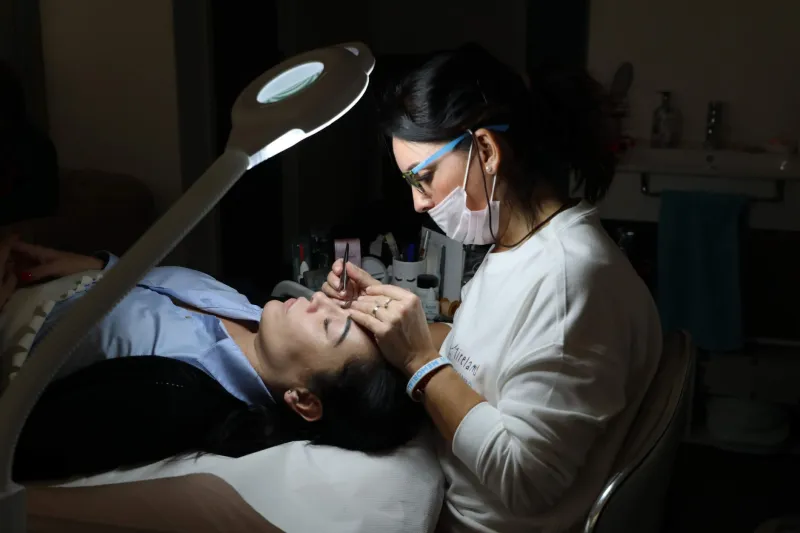
You do not need to memorise a speech, but a simple structure helps. Try four beats: what we did, what to expect, what to avoid, and when to contact you. For example: We have finished your lash set. For the next 24 hours, avoid steam, saunas and heavy eye make-up. Some flaking is normal after the first week, but if you get swelling, itching or pain, contact me straight away. I will send you a message tomorrow to check how they feel.
That last line matters. A follow-up message the next day shows you have not disappeared, and it gives the client an easy opening if something feels off. It also creates a natural reason to ask whether they want to rebook.
Put it on paper, or in their pocket
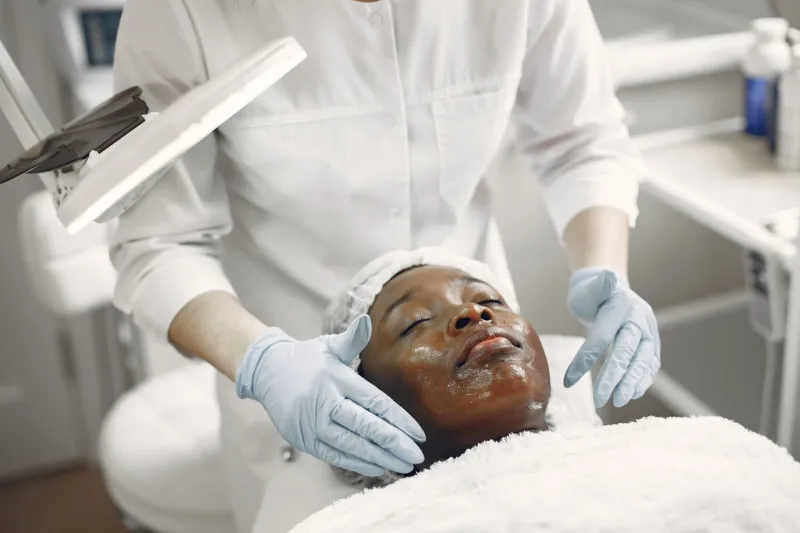
A generic aftercare leaflet is better than nothing, but a treatment-specific card is much more useful. Include the treatment name, the date, two or three things to avoid, and a clear contact route. For waxing, that might be no heat, exercise or tight clothing for 24 hours. For a facial peel, it might be no active ingredients or sunbeds for a set period. For lash extensions, it is the steam, oils and mascara conversation.
If you use a digital aftercare message, keep it short and searchable. A text or email with the treatment date in the subject line is easy for the client to find later. Save a template for each treatment, then personalise the first line. The client should feel they are getting advice for their appointment, not a copy-and-paste notice.
Red flags without the scare tactics
Clients need to know when to get in touch, and when to seek medical help. Keep this practical. For skin treatments, mention spreading redness, blistering, severe swelling or fever. For lash and brow treatments, mention eye pain, changes in vision, swelling or a reaction that is getting worse. For nail services, mention throbbing, heat, pus or spreading redness.
Use neutral language: Most reactions are mild and settle down, but if you notice X, Y or Z, contact me and we can decide the next step. If breathing is affected, or there is severe swelling, tell them to call 999. For urgent but non-emergency advice, NHS 111 is the route in the UK. Do not diagnose. Do not promise that a reaction will pass. Your job is to give clear, responsible guidance and record that you gave it.
The dated note that covers you later
After the client leaves, write a short note in their record: date, treatment, aftercare advice given, any product used, any known sensitivity, and whether they have rebooked. If you send a follow-up message, note that too. This is not paperwork for the sake of it. If a client asks a question three days later, you can see exactly what you said and when.
It also helps you spot patterns. If two clients mention the same reaction to a product, you have evidence to review your supplier or technique. If a client says they were never told to avoid something, your note gives a factual record of the handover.
Make it part of the booking rhythm
The easiest way to make aftercare stick is to attach it to something you already do. At the end of every appointment, before you take payment, run through the four beats. Then book the next appointment while the advice is fresh. A client who understands what happens next is more likely to trust you with the next visit.
Aftercare is not the leaflet you give away. It is the last piece of service you deliver — and often the reason a first visit turns into a regular one.