Before the First Knock: A Room-by-Room Safety Audit for Home Beauty Treatments

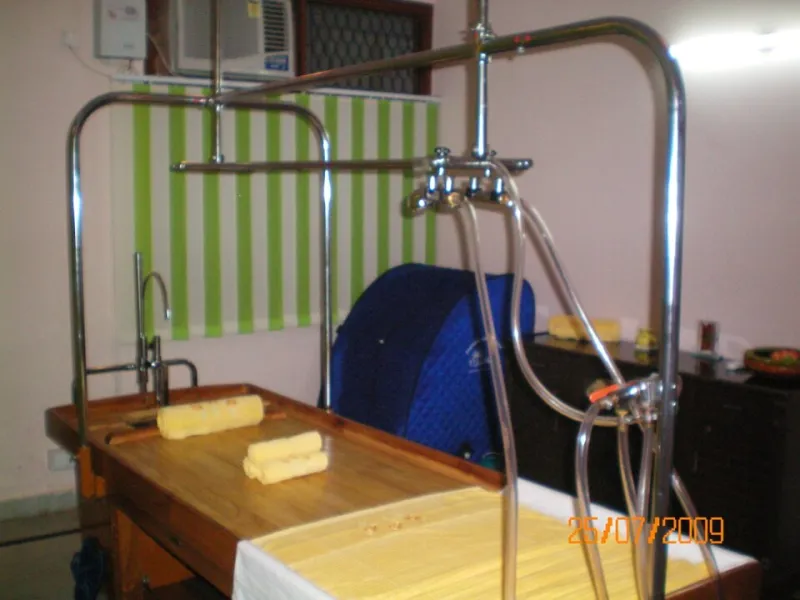
Photo: Mostafameraji, CC0, via Wikimedia Commons
A home treatment room can be one of the smartest ways to start in beauty. You control the diary, keep overheads manageable and can build a calm, personal experience that bigger salons sometimes struggle to match. But the moment a paying client walks through your front door, the spare room stops being a hobby corner and becomes a workspace. In 2026, clients are more switched on about hygiene, ventilation and professional boundaries than ever — and a few sensible checks before the first booking will save you a lot of awkward questions later.
This is not a legal textbook, and it does not replace advice from your local council, insurer or landlord. Think of it as a practical room-by-room audit you can do with a clipboard, a cuppa and a critical eye.
Start with permission, not paint
Before you choose the colour scheme, check that you are allowed to run a business from home. If you rent, speak to your landlord or letting agent and get any permission in writing. If you own your home, check your mortgage terms and your home insurance policy. Standard home cover often does not include business use, client visits or professional equipment, so a quick call to your insurer is time well spent.
It is also worth contacting your local authority. Depending on where you are in the UK and what treatments you offer, you may need a special treatments licence, planning permission or other local approval. Rules vary, so ask rather than assume. Keep a folder — digital or paper — with your insurance documents, permissions, qualifications and any council correspondence. If a client asks, you will have the answers ready.
Ventilation: the invisible item on your kit list
Beauty work involves aerosols, gels, polishes, acetone, wax and sometimes strong-smelling products. A room that feels fine on a quiet Tuesday can become stuffy during a busy Saturday. Proper ventilation is not a luxury extra; it is part of the treatment.
Check that windows open easily and are not blocked by furniture. If your room has an extractor fan, test it and clean the grille. For nail work, waxing or anything with fumes, think about cross-flow ventilation — an open window plus a fan can help move air through rather than simply stirring it around. Conservatories and garden cabins need particular attention: they can overheat in summer and feel damp in winter, so plan for heating, shading and airflow before you book anyone in.
Keep product lids closed when not in use, follow manufacturer instructions and store chemicals away from client seating. If you use a COSHH folder, make sure it is current and easy to find.
Light like a pro, not like a runway
Good lighting helps you work accurately and helps clients feel confident. Overhead lighting alone can cast shadows across the face or leave you squinting at a lash line. Add a task lamp or adjustable floor light, and test it at the times you will actually be working — a room that looks bright at midday can feel gloomy at 7pm in November.
Check mirrors for glare, make sure cables are not trailing across walkways and keep a small torch or backup light handy. If you work with detail, a magnifying lamp can be useful, but position it so the client is not staring into a bulb.
Draw your hygiene zones
In a salon, clean and dirty areas are usually obvious. At home, they blur quickly. Decide where clean tools live, where used tools go and where waste is stored. A simple system works best: a clean tray or closed cupboard for sterilised implements, a labelled lidded bin for used items and a separate laundry basket for towels and gowns.
Make sure you have a handwash basin close to the treatment area, with liquid soap and paper towels. If clients use a bathroom, keep it clean, stocked and free of personal clutter. Surfaces should be wipeable, floors should be washable and the client chair should be stable and easy to clean. Keep a spill kit — gloves, paper towels, disinfectant and a waste bag — within reach.
Storage that survives a busy week
Pretty baskets are lovely, but closed storage is your friend. Keep products in labelled containers, away from direct sunlight and out of reach of children or pets. Store sharp items, chemicals and anything with a safety warning securely. If you keep client records, lock them away or password-protect digital files.
Think about the client’s view too. A cluttered room feels less relaxing, and a stack of paperwork on the treatment bed is never a good look. A slim filing box, a wall shelf and a lockable cupboard can transform a spare room without a full renovation.
Privacy, access and the first hello
Your client needs to arrive without feeling like they are sneaking into someone’s house. Give clear instructions: which door to use, where to park, whether there are steps, and whether they should ring the bell or text on arrival. If you have pets, plan how to keep them away from the treatment area. If neighbours share a driveway or hallway, think about privacy and noise.
Check the route from the front door to your room. Is it clear, well lit and free from trip hazards? Is there somewhere for a coat and bag? Do clients have access to a toilet? If your room is upstairs, be honest about stairs when booking, especially for clients with mobility needs. Blackout blinds or a privacy screen help, and a simple sign on the treatment room door can make the space feel professional.
The pre-booking questions to ask yourself
Before you take your first home booking, run through these: Am I insured for home-based treatments? Do I have any required local licence? Is my room ventilated and heated properly? Can I clean and store tools safely? Is the client route private and accessible? Do I have a plan for lone working and emergency first aid? If the answer is “not yet” to any of these, pause the booking and fix it first.
The ten-minute audit before you open the door
- Windows open and extractor fan working
- Task lighting tested at evening appointment time
- Clean and dirty tool zones clearly separated
- Handwash basin stocked with soap and paper towels
- Lidded bins, laundry basket and spill kit ready
- Products labelled, closed and stored securely
- Client route clear, lit and free from trip hazards
- Toilet clean and accessible
- Insurance, permissions and records easy to find
- Emergency contact and first-aid kit in place
A home treatment room does not need to look like a boutique spa. It needs to be safe, clean, calm and honest. Do the audit, make a list and give yourself time to put things right. The first knock at the door feels much better when you know the room behind you is ready.