The Quieter Appointment: Building a Beauty Room That Welcomes Sensory-Sensitive Clients
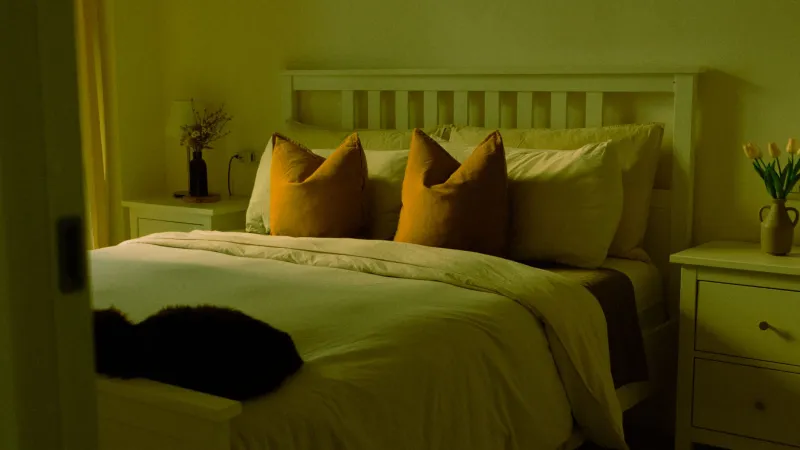
Most of the sensory advice you get during beauty training is about your own comfort: a stool that doesn't wreck your back, a fan in July, shoes you can stand in for eight hours straight. Far less often does anyone ask what the room feels like from the other side of the couch. For a client with sensory sensitivities, that question is the entire appointment.
Neurodivergence covers a lot of ground — autism, ADHD, dyspraxia, dyslexia and more — and it shows up differently in every person. Some clients arrive with a diagnosis and a clear list of what helps. Plenty arrive with neither, having spent years quietly enduring the overhead light and the diffuser that makes them feel queasy, because they didn't want to make a fuss in someone else's salon.
Accessibility Is a Business Decision, Not a Favour
It's easy to file sensory-friendly adjustments under 'nice to have'. Treat it as commercial instead. A client who leaves without a headache, a racing heart or a jaw clenched for sixty minutes is a client who rebooks. They also tell their friends, and they tend to be fiercely loyal to the practitioner who made the effort.
There's a legal backdrop too. Under the Equality Act 2010, businesses providing services are expected to make reasonable adjustments for disabled people, and that can include how you communicate and how you set up your space. 'Reasonable' is the operative word — nobody is asking a sole trader working from a box room to install a purpose-built sensory suite.
Audit the Room Before You Buy Anything
Before you spend a penny on new kit, do a five-minute walk-through as if you were the client. Stand outside the door with the appointment running. Then sit where they sit, and lie where they lie.
Note what your senses pick up first: the flicker of a cheap LED strip, the hum of the wax pot, the smell of laundry detergent on the towels, a radio advert cutting in every twelve minutes, the slap of a bin lid. You'll usually find three or four things worth changing, and none of them cost much.
Four Dials You Can Actually Turn
Light
Overhead lighting is the biggest offender. Swap the main light for a dimmable lamp, a salt lamp or a warm floor lamp pointed at a wall, and keep a low setting as your default. Skip anything that flickers, strobes or changes colour unless the client has asked for it. If you use a magnifying lamp, angle it away from the client's eyes rather than straight down the couch.
Sound
Silence is underrated. A lot of people find instrumental playlists soothing; others find whale music maddening and the clock ticking worse. Offer a choice at booking: quiet, gentle background music, or a podcast they'd like on. Keep the volume low enough that you can speak at normal level without raising your voice, and warn them before noisy moments — the bin lid, the trolley wheel, the clippers.
Scent
Fragrance is the adjustment new pros overlook most. Candles, reed diffusers, plug-ins, strongly perfumed linen sprays and heavily scented massage oils all stack up in a small room. Offer a fragrance-free default, and let clients opt in rather than opt out. Wash towels in a non-biological, unscented detergent where you can, and open a window between clients rather than spraying something to cover the last appointment.
Touch and Texture
Consent isn't a one-off signature on a consultation card; it's a running conversation. Explain what you're about to do before you do it, and say where. Some clients find light, feathery touch unbearable and firmer pressure calming — others the reverse. Ask. Towels that feel scratchy, couch roll that crinkles loudly, and cold gel on skin are all small things that add up.
Predictability Beats Perfection
For many neurodivergent clients, the hardest part isn't the treatment — it's not knowing what happens next. A running order sent the day before, a clear statement of how long you'll be, and a heads-up about anything unexpected (a delivery, a fire alarm test, a colleague popping in) does more for comfort than any candle ever will.
Keep your layout consistent. Same chair, same trolley position, same place for their bag. Novelty is fun in a restaurant and stressful in a treatment room.
The Booking Note That Does the Heavy Lifting
You don't need a lengthy form. One optional box on your booking page, worded generously, opens the door:
'If anything would make your visit easier — quieter, dimmer, no fragrance, a step-by-step rundown beforehand, or a break partway through — add a note here. No explanation needed, and nothing is too small.'
That last phrase matters. People have been talked out of requests before, and they're listening for whether you'll do it again.
Scripts for the First Two Minutes
Keep it light and give options rather than a questionnaire. Try:
- 'Before we start — would you rather I chat as I go, or keep it quiet so you can switch off?'
- 'The big light's off but I can dim this lamp further. Just say.'
- 'I'll tap your shoulder before I turn you over, so there's no surprise.'
- 'If you need to sit up, stop, or take five minutes at any point, that's completely fine — just tell me.'
Then get out of the way. A client who feels they have to reassure you will spend the appointment managing your feelings instead of relaxing.
Be Honest About Your Limits
You can't be everything to everyone, and pretending otherwise helps nobody. If your room is above a noisy high street, say so. If a treatment genuinely can't be done without a certain product, say that too. Being upfront about what you can and can't adjust is far kinder than a vague promise that falls apart on the day.
The Room Checklist
- Dimmable, warm lighting as the default setting
- No flickering or colour-cycling bulbs
- Optional music, with a quiet option offered
- Fragrance-free as standard; scented products opt-in only
- Unscented towels and laundry products where possible
- A window that opens, or a proper air-out between clients
- Running order and timings shared before the appointment
- Clear explanation before any unexpected noise
- Consent checked at each stage, not just at the door
- A visible, easy way to pause the treatment
- Consistent layout, kept the same between visits
None of this requires a big budget or a qualification in sensory design. It requires a notebook, an hour of honest observation, and a willingness to ask. For newly qualified pros building a client book, that combination tends to pay for itself remarkably quickly.